Root-driven Irrigation
RDI is a subsurface, bio-active, microporous irrigation system designed to improve water efficiency, reduce operating costs, and support healthier crop production.
Most irrigation systems rely on fixed schedules and external controls.
RDI takes a different approach: root-driven water and nutrient delivery through simple, subsurface infrastructure.
RDI boosts commercial outcomes, by helping growers produce more with less water, fertilizer, infrastructure, energy, and maintenance.
System Overview
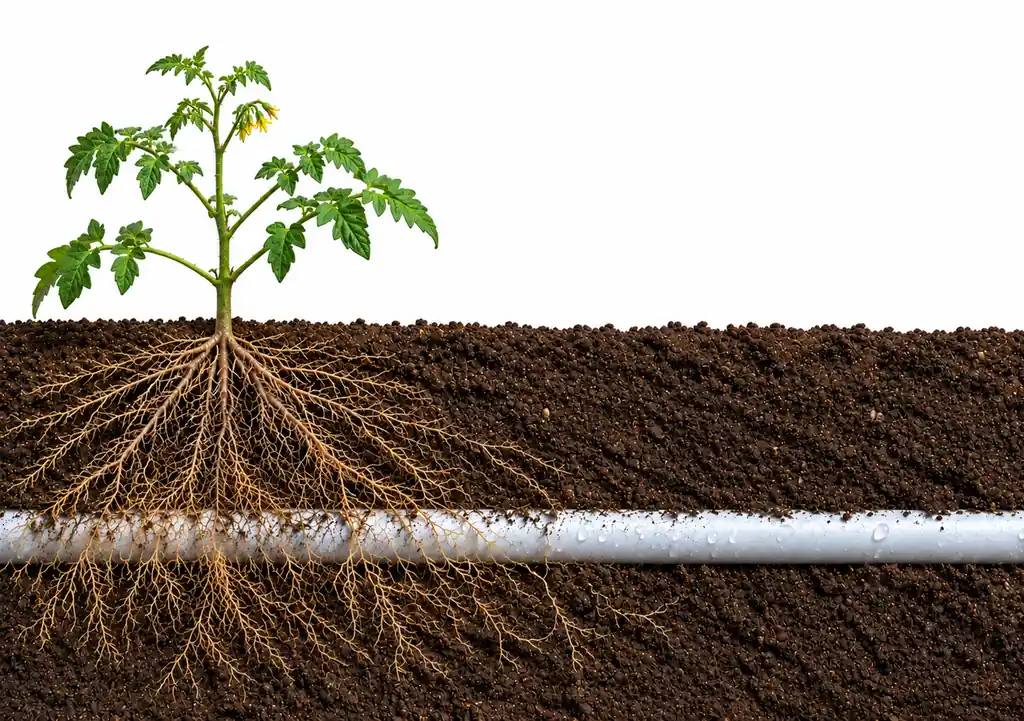
The RDI system delivers water and nutrients within the root zone.
It combines:
- Subsurface microporous delivery
- Bio-active technology
- Ultra-low-pressure operation
- Integrated fertigation
Benefits of Subsurface Installation
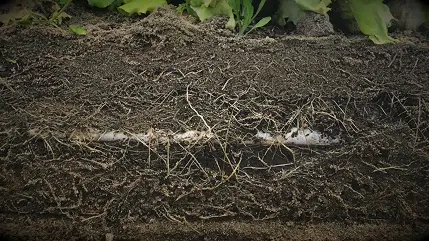
Subsurface installation reduces evaporation and protects infrastructure from UV exposure, surface disruption and mechanical damage.
Long Life-span
Designed for up to ten years of use, RDI can reduce maintenance, replacement cycles and lifecycle irrigation costs.
The Science Behind The System
Plant Signals Drive Water Delivery
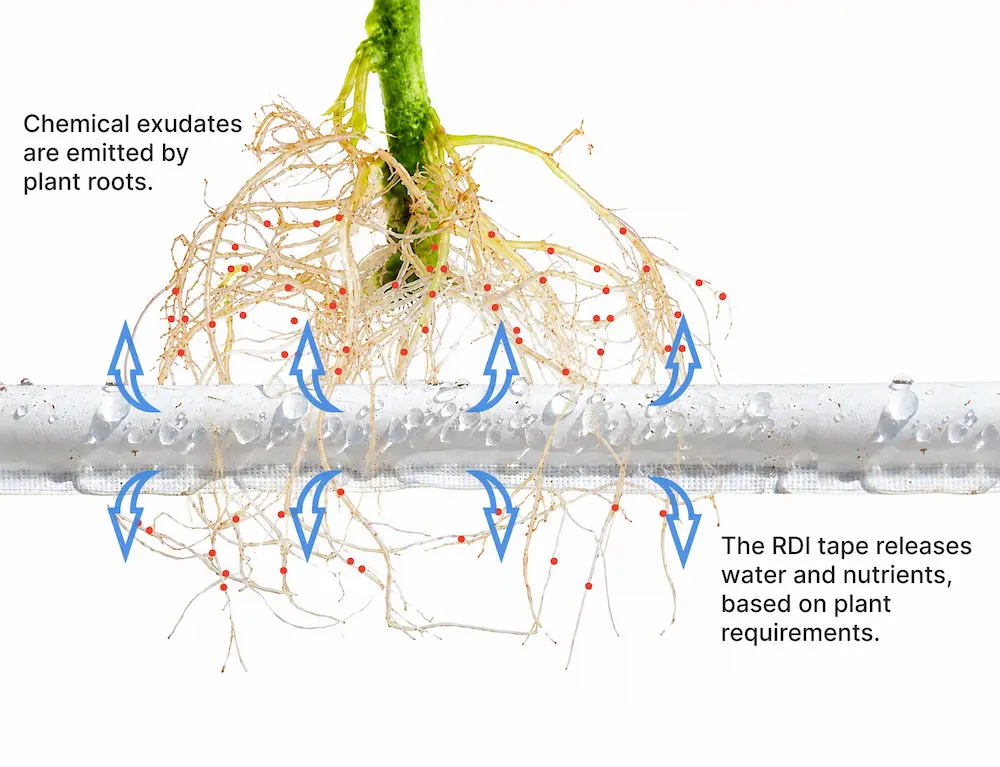
Unlike conventional irrigation systems that deliver water on a fixed schedule, RDI is designed to respond to biological signals in the root zone. This interaction ensures that water and nutrients are delivered when and where they're needed.
RDI’s hydrophilic surface attracts water molecules, while natural chemical compounds released by plant roots determine water movement through microscopic pores.
The Science Behind The System
Plant Signals Drive Water Delivery
Unlike conventional irrigation systems that deliver water on a fixed schedule, RDI is designed to respond to biological signals in the root zone. This interaction ensures that water and nutrients are delivered when and where they're needed.
RDI’s hydrophilic surface attracts water molecules, while natural chemical compounds released by plant roots determine water movement through microscopic pores.
What This Means in Practice
- Water and nutrients are delivered within the active root zone
- Plant/root-zone conditions influence water release
- More targeted delivery can reduce overwatering and improve consistency under stress
What Results Does RDI Deliver?
Real Impact. Measurable Results.
Irrigation Application Efficiency
years System Lifespan
Up to
%
Lower Operating Costs
Up to
Plant Density
* Best results achieved in validated deployments. 300+ commercial sites · 50+ crop types · University, government & UN-supported studies.
Reduced Infrastructure Dependancy
With no emitters, sensors, software or complex electronic controls, RDI can operate at ultra-low pressure and is gravity-feed compatible.
Fewer components reduces pumping, maintenance, failure points, as well as labor and replacement costs.

Optional Data Monitoring
RDI can operate without sensors, software or external power.
Where measurement and reporting are required, RDI’s optional IoT monitoring solution can provide real-time field data, remote observation and quantified performance reporting.
An Important Distinction
RDI’s IoT solution is not required for operational control. Neither does it manage the system - irrigation delivery is exclusively driven by root biology.
The optional system merely observes and reports on system performance, providing growers with real time, remote access to crop conditions.
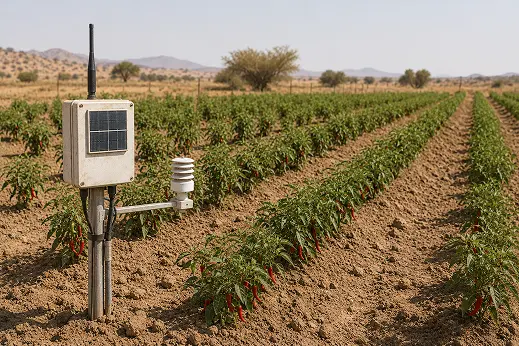
RDI was designed around a simple principle: fewer components, fewer failure points, and more reliable operation.
Where RDI Creates the Most Value
RDI is most relevant where water scarcity, heat, irrigation maintenance, pumping requirements or harsh operating conditions materially affect commercial performance.
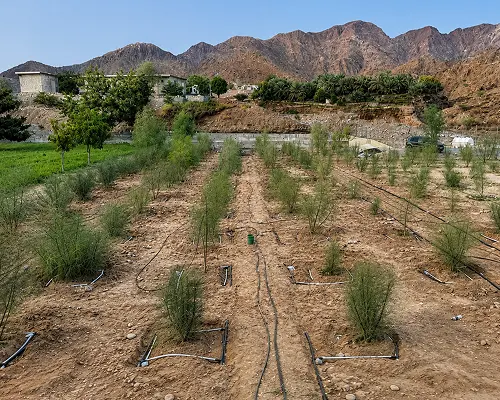
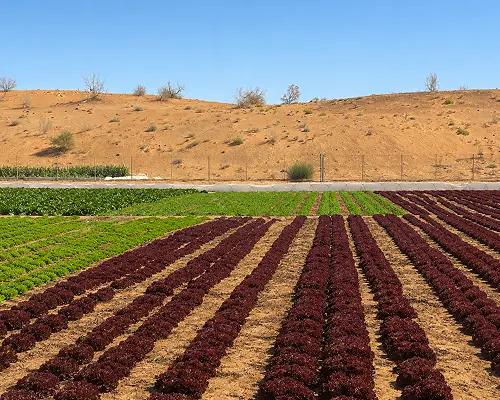
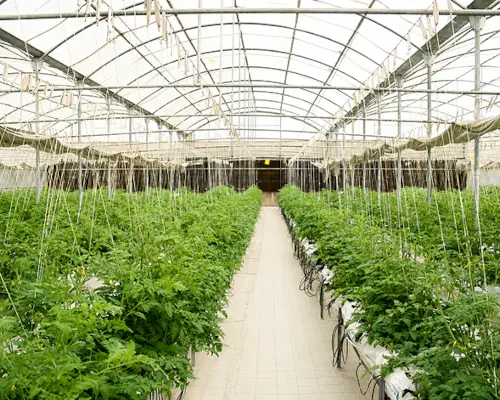
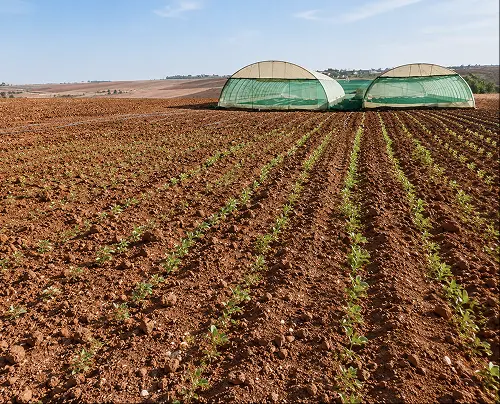
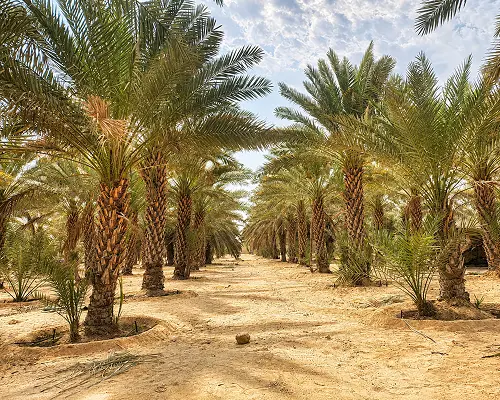
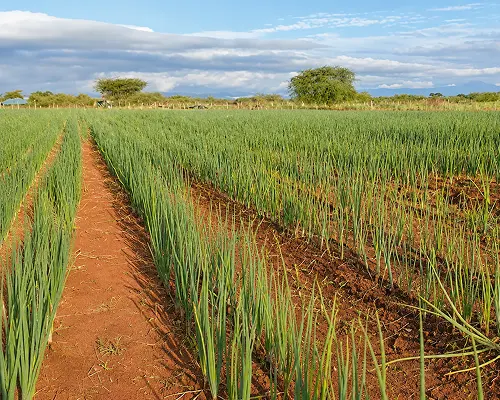
Deployment suitability depends on:
- Crop selection
- Water availability
- Reduced runoff risk
- Lower fertilizer input requirements
- More consistent nutrient availability